

24
August
2026
Why Autism Diagnoses Are Rising and What It Means for Families
If it feels like more children than ever are being diagnosed with autism, you are not imagining it. The rise in autism diagnoses over the past two decades has been significant, and it is natural for parents to wonder what is driving that increase and what it means for their own child. The short answer is reassuring: autism itself is not becoming more common at the rate the numbers suggest. What has changed is how well we recognize and understand it. The Real Reasons Behind the Rise When people ask why autism is increasing, the honest answer involves several overlapping factors, not a single cause. First, diagnostic criteria have expanded significantly. Autism is now understood as a spectrum, which means children with a much wider range of traits and support needs are included under one diagnosis than in previous decades. A generation ago, clinicians typically diagnosed only children with more pronounced, visible symptoms. Today, children with milder or different presentations are also being recognized. Second, autism awareness has grown enormously among parents, teachers, and pediatricians. Screening during routine checkups is more common and standardized, so signs that once went unnoticed are now being caught earlier. Third, access to evaluation has improved in many communities, though real gaps still exist based on geography, income, and race. As more families gain access to developmental specialists, more diagnoses naturally follow. Together, these shifts explain most of the increase. Genetics and environmental factors remain active areas of research, but broader recognition, not a sudden…

15
August
2026
Breaking the Silence: Why Black Mental Health Stigma Persists
Mental health stigma in the Black community remains one of the most persistent barriers to care in America today. For generations, struggles with anxiety, depression, and other conditions were carried quietly, often behind closed doors. Therapy was viewed as something for other people, faith and family support were expected to carry the weight, and admitting you needed help could feel like admitting weakness. That silence has come at a real cost, and understanding why it persists is the first step toward changing it. Where the Stigma Comes From To understand why Black mental health stigma has proven so resistant to change, it helps to look at its roots. Decades of medical mistrust, shaped by real historical harm at the hands of the healthcare system, left many Black families wary of seeking psychiatric care in the first place. Layer on top of that a cultural emphasis on resilience and strength, often summed up as “we don’t talk about that outside the family,” and it becomes clearer why therapy for Black Americans has historically been underused, even when the need was evident. Faith communities have played a complicated role, too. Church has long been a genuine source of comfort and healing, but for some, it also became the only space to voice struggles, with clinical treatment left entirely out of the picture. Why This Stigma Still Matters Rates of anxiety, depression, and other mental health conditions in the Black community are not lower than the national average. What is lower is access…

15
August
2025
Recognizing Anxiety in Children and Adolescents: Identifying Behavioral Issues and Coping Strategies
Anxiety is one of the most common mental health issues affecting children and adolescents today. According to the National Institute of Mental Health (NIMH), around 9.4% of children aged 3–17 experience anxiety disorders each year (Ghandour et al., 2019). However, anxiety in youth is often overlooked or misinterpreted as behavioral issues, especially since children may not have the words to express their emotions. Recognizing the signs early and understanding the behavioral indicators is key to providing effective support. Fortunately, various coping strategies are available to help young people manage anxiety and build resilience. Recognizing Anxiety in Children and Adolescents Anxiety can manifest in many ways, and its impact on children varies depending on their age, temperament, and developmental stage. Unlike adults, children may not be able to articulate their anxiety, and instead, it often presents as physical symptoms or behavioral changes (American Psychiatric Association [APA], 2022). Common Signs of Anxiety in Children and Adolescents Physical Complaints: Children may frequently complain of headaches, stomachaches, or other physical ailments without a clear medical cause. These symptoms often worsen when the child is faced with a stressful situation (APA, 2022). Sleep Disruptions: Anxiety can interfere with sleep, leading to nightmares, difficulty falling asleep, or frequent waking during the night (Merikangas et al., 2010). Excessive Worry or Fear: A child with anxiety might express unrealistic or disproportionate worries about social situations, schoolwork, or health (Beesdo et al., 2009). Avoidance Behaviors: Children with anxiety may avoid places or situations they find stressful, such as school,…
25
June
2025
When to See a Psychiatrist vs. a Therapist: Understanding the Differences and When to Seek Help
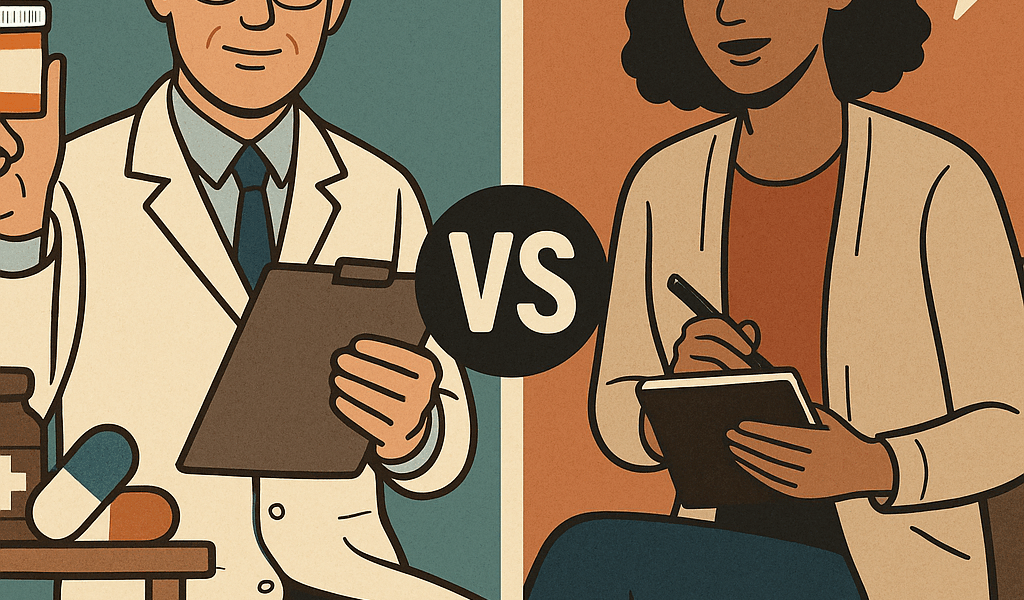
Navigating mental health support can feel overwhelming, especially when choosing between seeing a psychiatrist or a therapist. Both play vital roles in emotional and psychological well-being, but their expertise, training, and treatment approaches differ. Knowing who to see—and when—can help you get the care you need faster and more effectively. Understanding the Roles A psychiatrist is a medical doctor (MD or DO) who specializes in diagnosing, treating, and preventing mental illnesses using a clinical and often biological approach. Psychiatrists are licensed to prescribe medications and often manage complex psychiatric conditions such as bipolar disorder, schizophrenia, or severe depression that may require pharmacological treatment (American Psychiatric Association, 2023). A therapist is a general term that can refer to psychologists, licensed clinical social workers (LCSWs), marriage and family therapists (MFTs), or licensed professional counselors (LPCs). These professionals typically hold master’s or doctoral degrees and use talk therapy to help clients navigate emotional challenges, trauma, relationships, stress, and behavioral issues (American Psychological Association, 2022). Therapists are not medical doctors and generally do not prescribe medication. Key Differences Category Psychiatrist Therapist Education Medical degree (MD or DO) Master’s or Doctoral degree in mental health Prescription Yes No Primary Approach Medical, biological, pharmacological Psychotherapeutic, cognitive-behavioral, relational Focus Mental disorders needing medication Emotional and psychological well-being When to See a Therapist Therapy is often the first step for people facing situational stress, anxiety, grief, life transitions, or relationship issues. It can also benefit those managing long-term conditions like anxiety disorders or mild to moderate depression. Therapists…
03
April
2025
Understanding PTSD: Causes, Symptoms, and Treatment
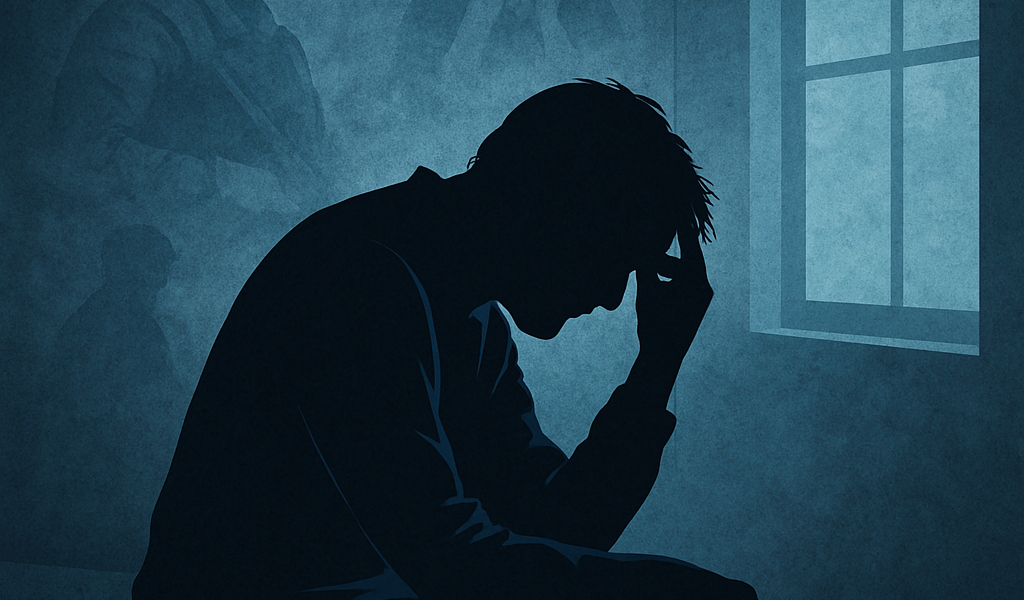
Post-Traumatic Stress Disorder (PTSD) is a mental health condition triggered by experiencing or witnessing a traumatic event. It affects millions of people worldwide, interfering with their daily lives and relationships. Understanding PTSD is the first step toward effective treatment and recovery. Causes and Symptoms PTSD can result from various traumatic experiences, including combat exposure, sexual or physical assault, natural disasters, or serious accidents (American Psychiatric Association, 2020). Symptoms are typically categorized into four groups: Intrusive thoughts: Flashbacks, nightmares, and distressing memories. Avoidance: Steering precise of trauma-related reminders. Negative mood changes: Feelings of hopelessness, detachment, and difficulty experiencing positive emotions. Hyperarousal: Irritability, sleep disturbances, and being easily startled (National Institute of Mental Health, 2021). Treatment Options Several effective treatments for PTSD include: Cognitive Behavioral Therapy (CBT): Helps patients reframe negative thoughts. Eye Movement Desensitization and Reprocessing (EMDR): A therapy designed to reprocess trauma memories. Medication: Antidepressants like SSRIs can help manage symptoms (American Psychological Association, 2021). If you or a loved one is struggling with PTSD, professional mental health support can provide relief and healing. References: American Psychiatric Association. (2020). Understanding PTSD and PTSD treatment. National Institute of Mental Health. (2021). Post-Traumatic Stress Disorder (PTSD). American Psychological Association. (2021). PTSD treatment options.
03
April
2025
A Beacon of Hope: Exploring Ketamine Therapy for Treatment-Resistant Depression at Psychiatric Consultants of Alabama
Major depressive disorder (MDD) is a debilitating illness that affects millions of Americans. Traditional antidepressants can be a lifeline, but for some, they fail to provide adequate relief. If you’ve struggled with treatment-resistant depression (TRD), ketamine therapy might offer a ray of hope. At Psychiatric Consultants of Alabama, we understand the frustration of TRD and are committed to exploring innovative solutions. What is Ketamine? Ketamine has been used for decades as an anesthetic. Recent research, however, has shown promise for its use in treating TRD. Esketamine, a derivative of ketamine, is the only FDA-approved ketamine-based medication for depression. It’s administered as a nasal spray under strict medical supervision. How Does Ketamine Work for Depression? The exact mechanism of how ketamine alleviates depression remains under investigation. Unlike traditional antidepressants that target serotonin levels, ketamine seems to work differently. It’s believed to impact glutamate, a neurotransmitter crucial for brain functions like learning and mood regulation. Ketamine may promote neuroplasticity, the brain’s ability to form new connections between neurons. This enhanced communication within the brain circuits could be key to reducing depressive symptoms. Benefits of Ketamine Therapy for TRD Rapid Onset: Unlike traditional antidepressants that can take weeks to show improvement, ketamine can produce noticeable relief within hours or days. This rapid effect can be life-changing for someone struggling with severe depression. Different Mechanism: As ketamine works through a different pathway than traditional antidepressants, it can be effective for people who haven’t responded to other medications. Hope for Suicidal Thoughts: Studies suggest ketamine…
Load More